Congratulations to the three Gertzel Bursary Award recipients for 2026, Sophia Bongole (ANU), Leighann Spencer (CSU), and Sara Wolde (ACU). We wish them all the best for their research.
Sophia Bongole, Australian National University.
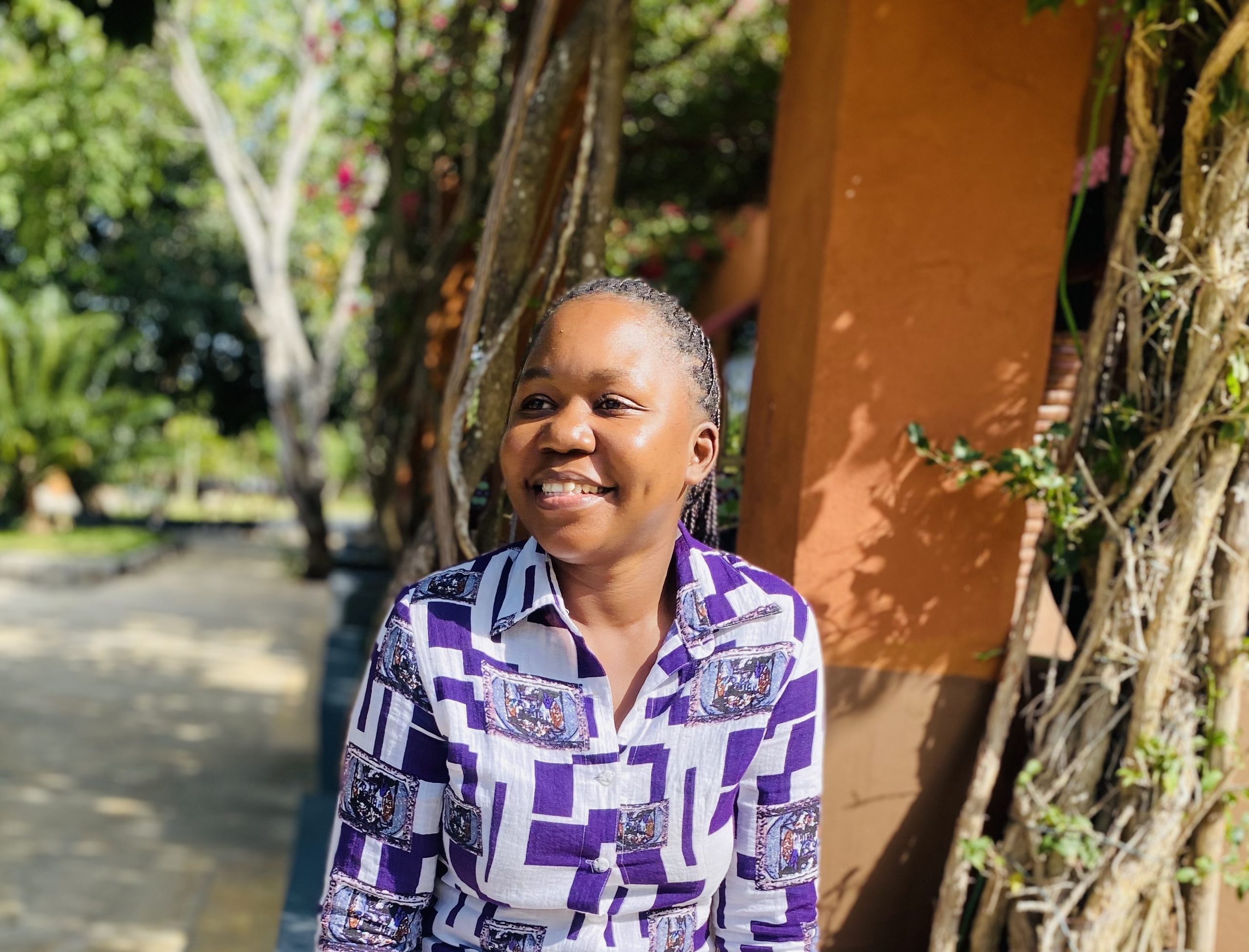
Sophia Bongole is a Tanzanian scholar and PhD candidate at the Fenner School of Environment and Society, Australian National University. She holds a Master of Business Administration (MBA) in Agribusiness from Sokoine University of Agriculture. Since completing her MBA, she has dedicated her professional career to working with smallholder farmers in rural Tanzania, accumulating more than a decade of experience in agricultural development, community engagement, and research.
Her work has focused on understanding the challenges facing rural communities, identifying sustainable solutions, and implementing interventions that improve food security, livelihoods, and environmental sustainability. Throughout her career, she has been involved in agricultural research, community development initiatives, and projects aimed at strengthening the resilience of farming systems. Through her engagement with farming communities, she has gained extensive experience in research, stakeholder engagement, project coordination and the implementation of agricultural interventions. Working directly with smallholder farmers has enabled her to develop a deep understanding of the opportunities and challenges facing rural livelihoods, particularly in relation to resource constraints, environmental degradation and the need for sustainable agricultural practices.
Her doctoral research examines the adoption of Circular Food System (CFS) practices among smallholder farmers particularly women in Tanzania. CFS are innovative approaches that seek to reduce waste, recycle resources, and promote environmentally sustainable food production by improving the efficiency of resource use within agricultural systems. The study explores the factors that shape farmers’ decisions and intention to adopt these practices and seeks to understand the opportunities and constraints associated with their implementation. Also, she aims to explain variations in adoption levels, while providing insights into the feasibility and scalability of these practices among smallholder farmers.
CFS are increasingly recognized as a critical pathway toward addressing some of the world’s most pressing challenges, including climate change, environmental degradation, and food insecurity. However, there is still limited evidence on the factors influencing the adoption of these practices among smallholder farmers in developing countries, particularly in Sub-Saharan Africa.
By focusing on the experiences of smallholder farmers in Tanzania, Sophia’s research aims to contribute to the growing body of knowledge on sustainable food systems and generate evidence that can inform policies and interventions designed to support more resilient, inclusive, and environmentally sustainable agricultural systems. Her work bridges academic research and practical solutions and reflects her long-standing commitment to improving the livelihoods of rural communities and advancing sustainable agricultural development in Tanzania and beyond.
Leighann Spencer, Charles Sturt University.
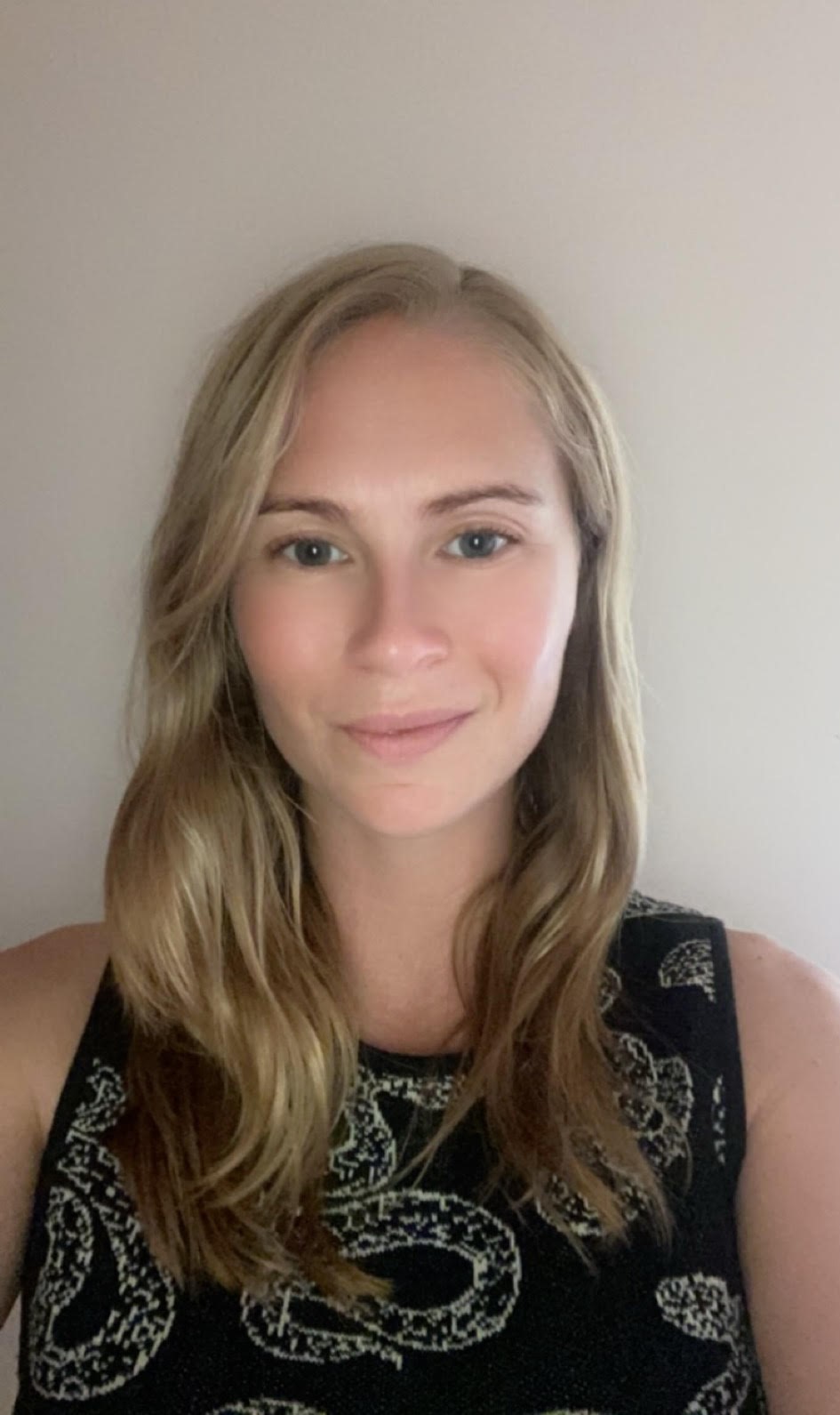
Leighann is a PhD scholar, criminologist, and human rights advocate. I teach criminology at several Australian Universities, and for the past decade, I have also worked on improving policing and justice in sub-Saharan Africa. This has included NGO and academic research on state police/militaries and courts, alongside traditional community-based options for safety, security, and justice. I became interested in this after spending some time living with my Godparents in South Africa and exploring other countries on the continent. Now, my PhD explores the intersections between state and non-state security in Nigeria.
Due to the widespread insecurity across the country, combined with disillusionment with the state’s ability to address it, informal ‘vigilante’ groups have formed in all states. These groups have been applauded for their ability to provide safety and security and simultaneously critiqued for abusing human rights and the rule of law. I became interested in understanding this dynamic and exploring this Nigerian example to determine whether such community initiatives are viable. I hypothesised that two variables that may negatively impact Nigerian vigilantism are state involvement and identity. I undertook semi-structured interviews across Lagos, Adamawa, and Oyo, where I asked state agents and community members about their views on security. I found that the state endorses violent vigilantism against particular groups, with identity having an impact. For example, those of Fulani ethnicity were constructed as ‘evil terrorists’ who had to be targeted by vigilantes. In some instances, the state police/military actively collaborated with vigilantes, reproducing the same disillusionment that people originally held against the state. However, at the same time, there were instances of vigilantes providing safety and security when the state could not or would not. For instance, they were found to be useful in responding to and preventing gender-based violence, particularly when the vigilante group members included women.
My findings suggest that community-based policing can be viable, but they need to act independently of the state and represent diverse populations. With the Cherry Gertzel Bursary, I intend to travel to Nigeria to make my findings accessible to affected communities. I also hope to share this research with others in the field so that future community initiatives may flourish in places where the state is unable or unwilling to protect everyday people.
Sara Wolde, Australian Catholic University
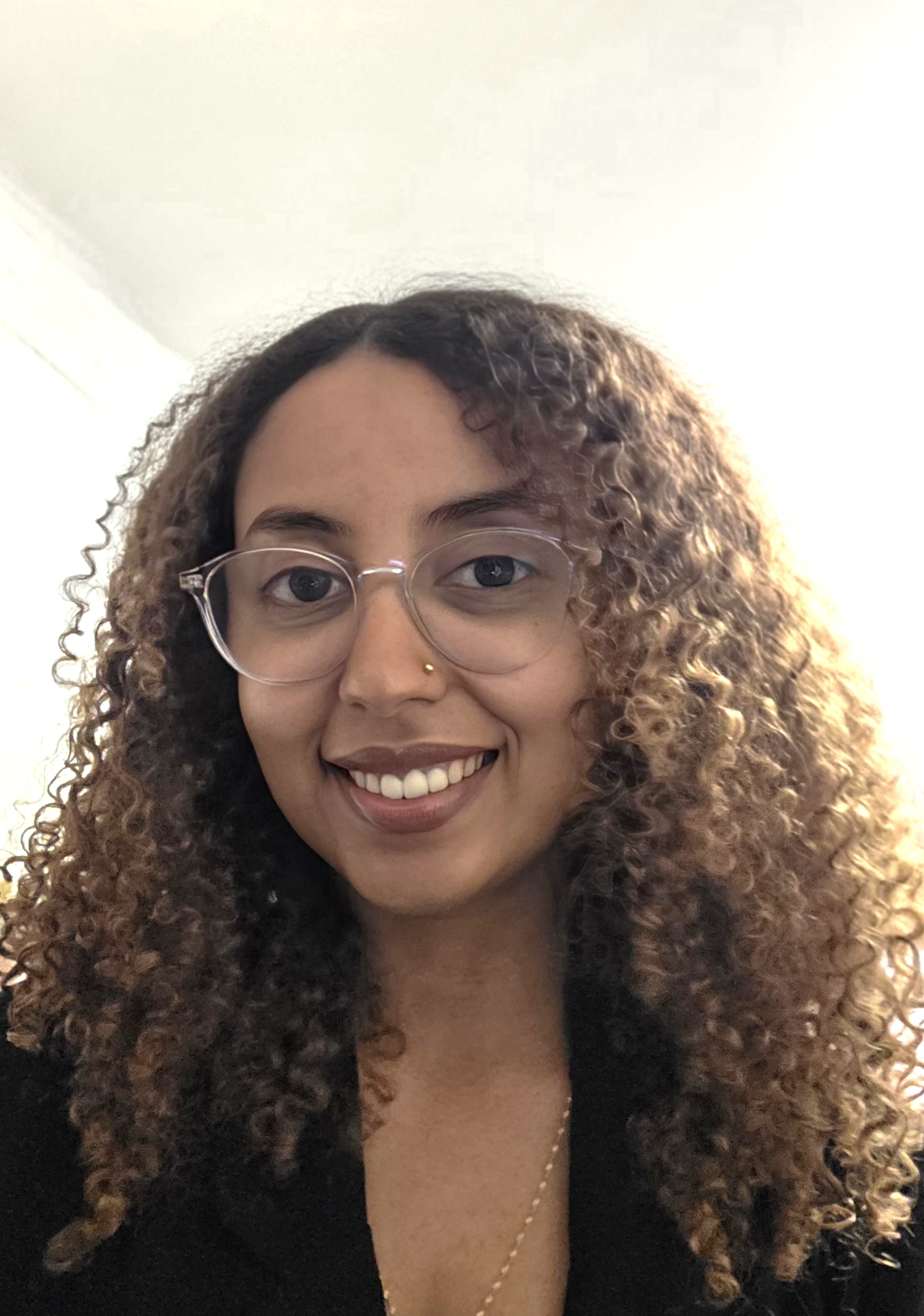
I am an Ethiopian occupational therapist, researcher and PhD candidate at Australian Catholic University. My research focuses on improving mental health and wellbeing support for university students in Ethiopia through occupational therapy. I am particularly interested in how students balance academic responsibilities, rest, self-care, relationships, family expectations and leisure, and how this balance influences their mental health and participation in university life.
My academic journey began with a Bachelor of Science in Optometry at the University of Gondar in Ethiopia. I later received a fully funded Mastercard Foundation Scholars Program scholarship to complete a Master of Science in Occupational Therapy at Queen’s University in Canada. This experience shaped my commitment to rehabilitation, disability inclusion, mental health, and community-based practice. Before commencing my PhD, I worked at the University of Gondar, where I contributed to occupational therapy education, student support initiatives, and the development of occupational therapy services in Ethiopia.
My PhD is shaped by the rapid growth of higher education in Ethiopia and the limited availability of student mental health and occupational therapy services. Many students in African university contexts face academic pressure, financial stress, placement demands, social expectations and limited access to formal wellbeing support. While these challenges are widely experienced, support services are often under-resourced and may not fully address students’ everyday routines, roles and responsibilities.
Through my doctoral research, I hope to contribute to practical and culturally responsive approaches that support students’ wellbeing in African higher education settings. My work explores occupational balance and mental health among Ethiopian university students and will inform the development of an occupational therapy intervention that reflects students’ lived realities. The planned intervention will support students to reflect on their daily routines, identify barriers to balance, set meaningful goals, strengthen self-care and rest, and develop strategies for managing academic and personal demands.
