We are pleased to announce that this year we have awarded the Cherry Gertzel Bursary Award to three recipients. Congratulations to Rita Agha, Cynthia Avoada, and Josephine Boateng Opoku.
Rita Agha, Australian National University
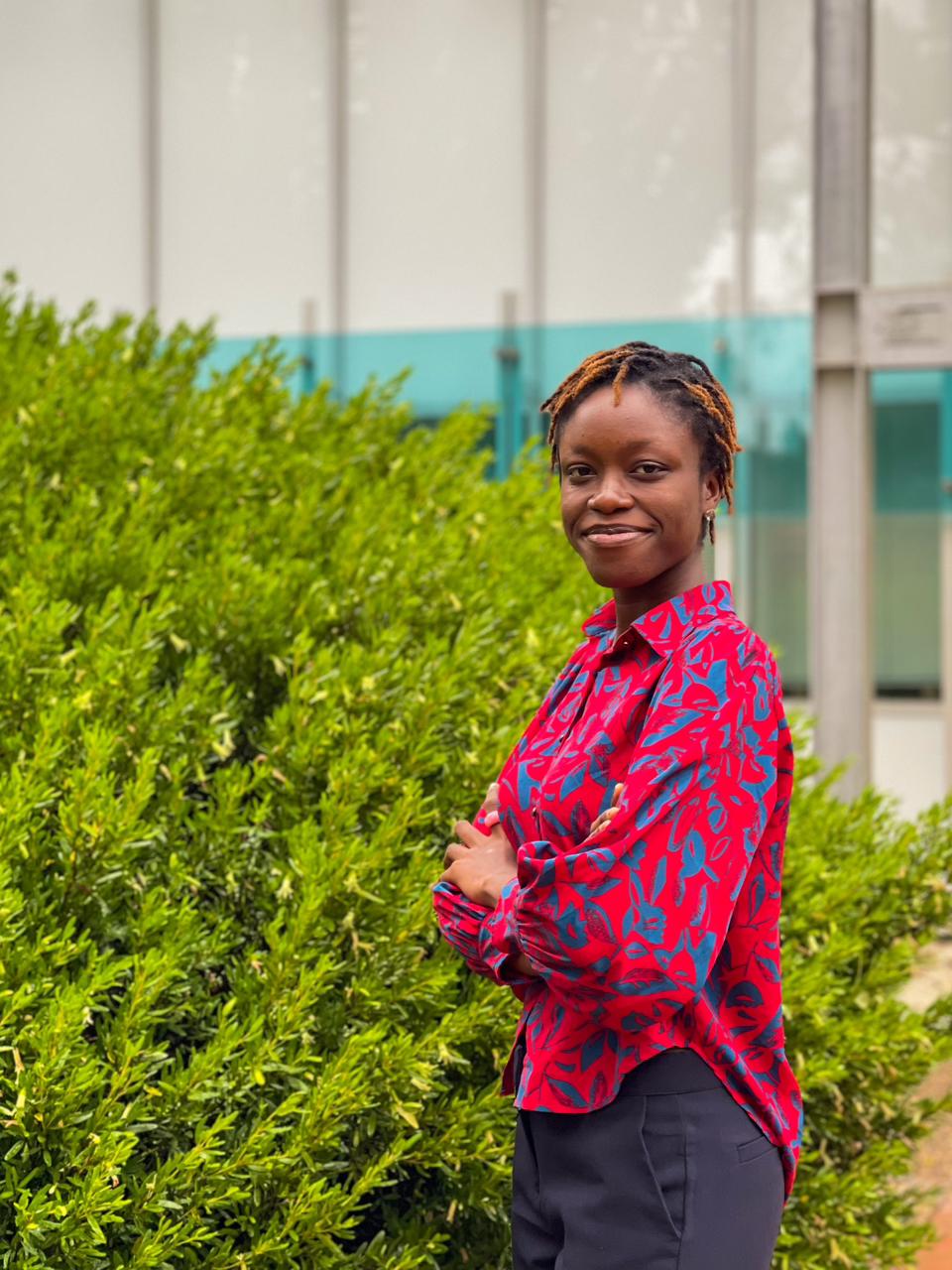
I am a PhD candidate in the UNESCO Chair in Science Communication for the Public Good at the Australian National Centre for the Public Awareness of Science, Australian National University. I am currently researching the approaches to menstrual care in Nigeria. Globally, many who menstruate experience associated challenges of period poverty, stigma, and discrimination due to their menstruating status. This issue affects the health, education, opportunities and development of women and girls in many African Countries. These problems negatively impact global commitments to the sustainable development goal, hence the need for a contextually relevant yet globally active solution.
This research results from my personal experience and observing the challenges experienced by women and girls in Nigeria, my home country. Inadequate contextually relevant solutions often exacerbate these challenges. I hope to explore how the agency and voices of menstruating women and girls in Nigeria can inform interventions, including policy, material, and expert advice.
Over the years, I have engaged in research and professional work in Nigeria and Australia. Currently, I co-convene the African Studies Network at the Australian National University and, earlier this year, was among the 54 graduate students from across the globe selected for the United Nations 62nd Graduate Study Program, the longest-running educational initiative of the United Nations.
Cynthia Avoada, University of Canberra
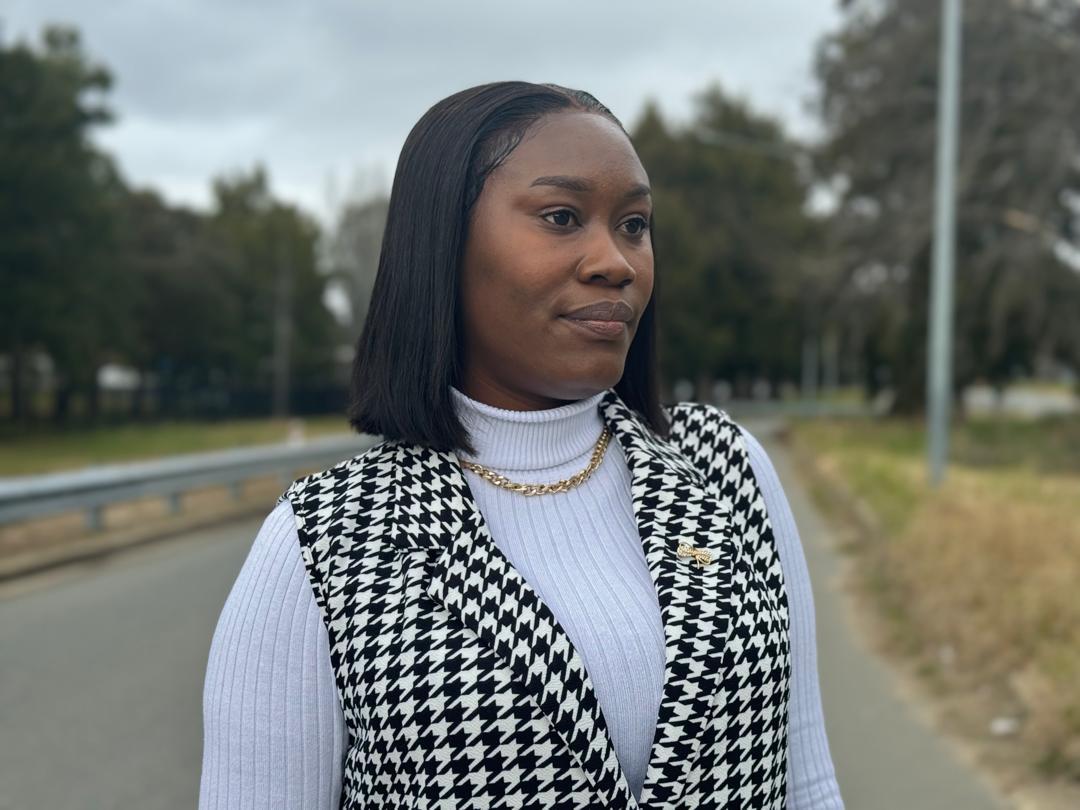
I am a PhD Candidate at the Faculty of Education, University of Canberra-Australia. My research focuses on Bridging Curriculum with Rural Students’ Lifeworld: Using Place-based Pedagogy to improve educational relevance to meet rural needs, through a case of the implementation of Ghana’s Basic School Curriculum. As someone who has lived, attended basic education and taught in rural communities in Ghana in my early years, I have a keen interest in rural education specifically in Ghana. Over the years, I have co-authored publications that look at rural development, rural education, and rural livelihood. In all these, I sought to improve rural education and to push the rural sustainable community’s agenda. I am passionate about blending my rural geography background with education to increase awareness of the need to improve rural education in low-income contexts.
Coming into the PhD, I critique the Western-dominated approach to education in Ghana and delve into the need to improve rural education by incorporating place-based or context-specific strategies that are consistent with local epistemologies. In my study, I explore the collaborative relationships between rural communities and schools which will help to incorporate local parents/families, knowledge, culture, and traditions to replace rural education in Ghana. An approach that creates a link between rural schools and communities to improve students’ educational relevance and sustainable communities.
I am privileged to receive this award, and thank the trustees of the Cherry Gertzel Bursary Award and the AFSAAP Committee for the opportunity!
Josephine Boateng Opoku, University of Melbourne
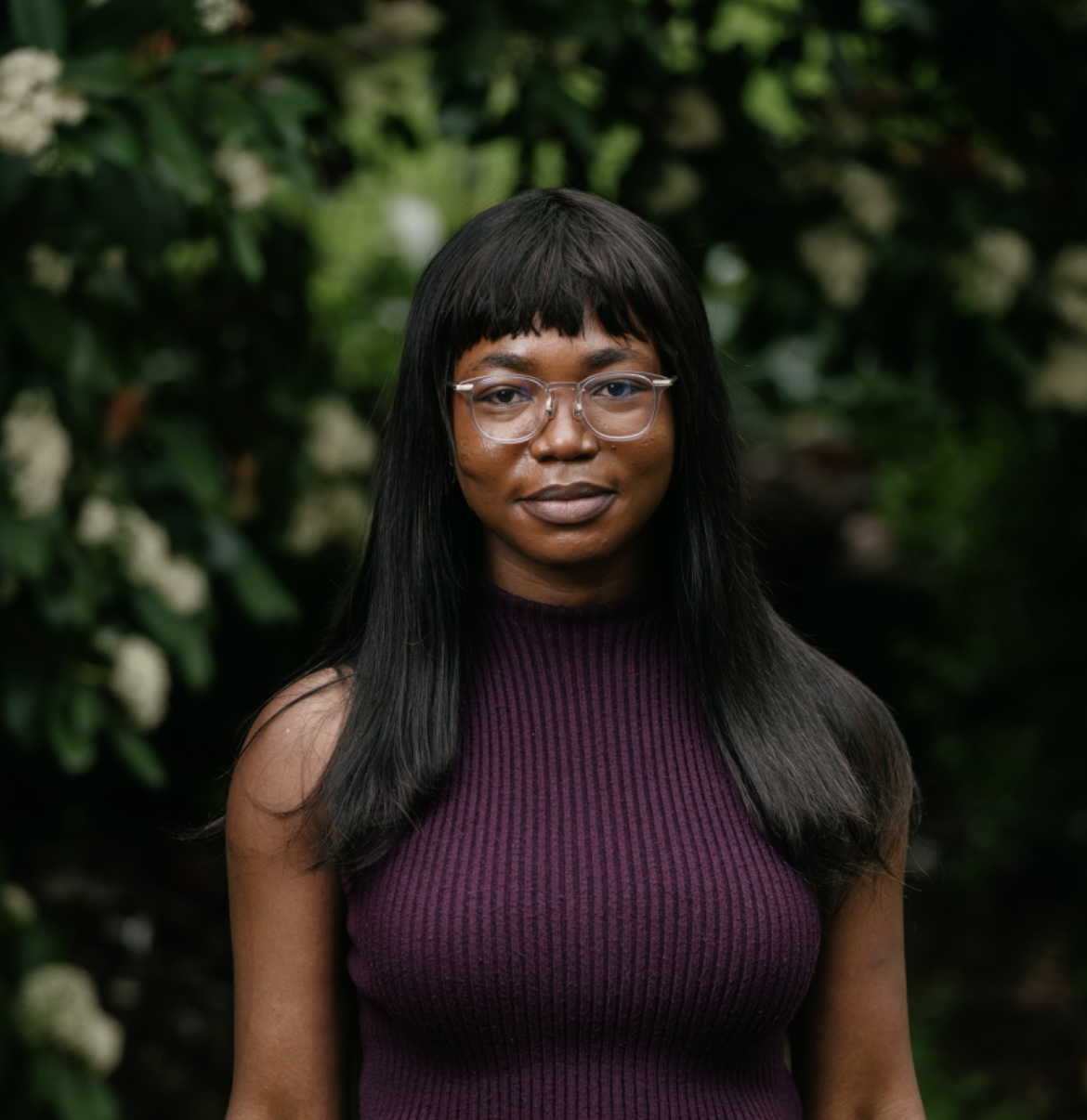
I recently moved to Melbourne to pursue a postgraduate degree in Geography and Atmospheric Science at the University of Melbourne. Currently, my research focus on the health dimensions of climate change and the social determinants of health. I completed my bachelor’s degree in Geography and Development and Political Science at the University of Ghana in 2019. In my third year at the University, I was honored to serve on the executive student board as the General Secretary. During my undergraduate studies, I focused on global social inequalities and changes in local weather and climate patterns. Specifically, I was interested in how societies change with changing environmental and social structures. These enquires formed the basis of my interest in sustainability as a field of study because it provided an avenue for interdisciplinary inquiries.
This motivated me to move to Japan for my master’s degree in Sustainability Science at the United Nations University in 2020. Through a series of projects and courses, I finalised my thesis on the power of sustainable public procurement and the role of spending as a tool to reduce global carbon emissions. Here, I was honoured to graduate on top of my class aside a series of international conferences and presentations, including a memorable presentation the United Nations Conference of Parties (COP26) in Glasgow.
Afterwards, I moved to Australia for a postgraduate degree in Geography at the University of Melbourne. I am now one year into my postgraduate degree at the University focusing on the influence of changing climates on women’s reproductive and sexual health. In the pursuit of sustaining man and the environment, I joined the Melbourne Climate Futures Academy and recently became a Wattle fellow which is a one-year sustainability fellowship at the University of Melbourne.
My long-term goal is to probe governments to reform intervention programs in climate change hotpots. This reform can take shape in so many ways, one of which is addressing the social structures that produces inequalities in health. This is why my current project looks at specifically at health inequalities among women in two vulnerable coastal communities in Ghana. This project investigates the questions; what is the impact of climate change and sea level rise on women’s reproductive and sexual health? And what factors account for inequalities in health outcomes during natural hazards?
